(And Other Things I Never Thought I’d Own)
An Apology to the Overprepared Sports Parent (And How I Accidentally Became One)
Disclosure: This post contains affiliate links. If you purchase through these links, I may earn a small commission at no additional cost to you. I only recommend products we’ve used, loved, or genuinely think make life easier for sports families.
When my son first started playing sports, I was convinced people were overcomplicating the whole thing. How much stuff could one small child possibly need for a one-hour game?
I’d show up with a folding chair, a water bottle, and maybe a granola bar stuffed into my purse if I was feeling particularly prepared. Then I’d watch veteran sports parents unload their vehicles.
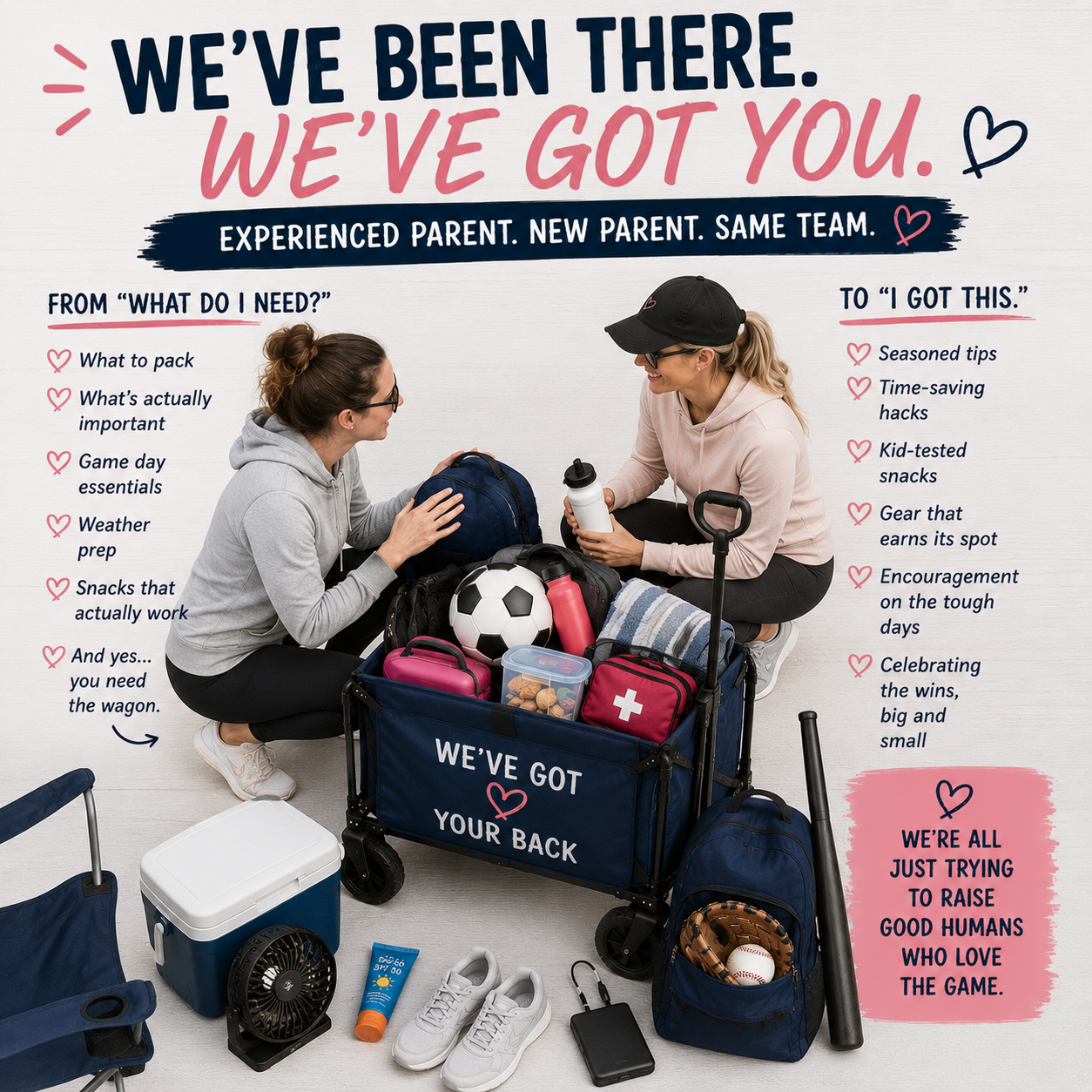
One family would roll up with what looked like a fully stocked expedition wagon. Someone else had a canopy, multiple chairs, two coolers, blankets, portable fans, extra shoes, and enough snacks to feed an entire soccer team.
I’d quietly think to myself: “This feels… excessive.” After all, we were only going to the soccer fields. Not hiking the Appalachian Trail. Surely no child needed that much equipment just to kick a ball around for an hour.
Looking back now, I’d like to formally apologize to every parent I silently judged. You were right. I was adorably, hilariously wrong.
How It Started
Like most rookie sports parents, I believed we would ease into this whole youth sports thing. One backpack. One pair of cleats. One water bottle. Done. I imagined we’d show up, watch a game, cheer loudly, and head home. Simple.
Our first season actually looked pretty close to that vision. We packed everything into one small backpack, grabbed a couple of folding chairs from the garage, and felt incredibly prepared. I remember thinking we had this parenting thing figured out.
Then sports happened. Not just one sport. All the sports. Soccer led to swimming. Swimming somehow introduced us to hockey. Hockey unexpectedly opened the door to golf. And somewhere in the middle of all of that, our garage quietly transformed into what can only be described as a small branch of a sporting goods store. I still don’t remember agreeing to that. It just… happened.
The Sports Parent Shopping Spiral
Nobody warns you that becoming a sports parent isn’t one big purchase. It’s hundreds of tiny purchases that slowly sneak into your life. At first, it’s completely reasonable. “We just need a soccer ball.” Then someone suggests buying practice cones. Then you realize you need a pump. Then shin guards. Then soccer socks. Then a second water bottle because the first one is mysteriously missing. Then rain gear. Then, the camp equipment. Then another bag, because apparently, hockey equipment has no intention of fitting inside the soccer backpack.
Before long, you’ve stopped asking yourself whether you need something. You’re simply accepting that another Amazon package has arrived because your child suddenly requires a piece of equipment you didn’t know existed yesterday. It isn’t one expensive shopping trip. It’s death by a thousand sporting goods purchases.
The funniest part? Each purchase makes perfect sense in the moment. “It’s only one more thing.” That’s the lie youth sports tell every parent. Because there is always one more thing.
Sideline Gear We Actually Swear By
- The Ultimate Heavy-Duty Sports Backpack: Our journey began with a cute canvas backpack that lasted exactly three practices before the zipper exploded under the pressure of holding a soccer ball, shin guards, and three half-eaten snack bars. I quickly upgraded to an athletic model with ventilated bottom pockets. Trust me, you do not want wet cleats sharing cargo space with clean sweaters.
- The Legendarily Massive Waterproof Hockey Bag: When my son tried hockey, I looked at his tiny frame and back to the gear bag, wondering if he was supposed to sleep inside of it. A quality hockey bag with specific helmet shelves is a lifesaver. Look for one lined with premium waterproof canvas, or prepare to find out exactly what happens when snow-damp pads sweat inside a closed trunk on the drive home.
- The Garage Equipment Organizer Rack: For a while, my garage floor was a Minefield of loose balls. Stepping on a rolling basketball in the dark is a quick way to meet your maker. Buying a rolling steel rack stopped the chaos. Now, every helmet, bat, ball, and stick has a home that isn’t the floor or under the lawnmower.
- The Crucial Breathable Mud-Proof Shoe Bag: If you take nothing else away from this apology letter, buy a shoe bag. Cleats are magnetic to mud, grass clippings, and dog park landmines. Zipping them away in their own specialized bag preserves the trunk carpet of your SUV and keeps your home entryway from smelling like a locker room.
The Day I Realized I’d Become “That Parent”
I don’t know exactly when it happened. There wasn’t a ceremony. Nobody handed me a certificate. But one Saturday morning I opened the back of my SUV and realized I had packed enough supplies to survive an entire weekend outdoors.
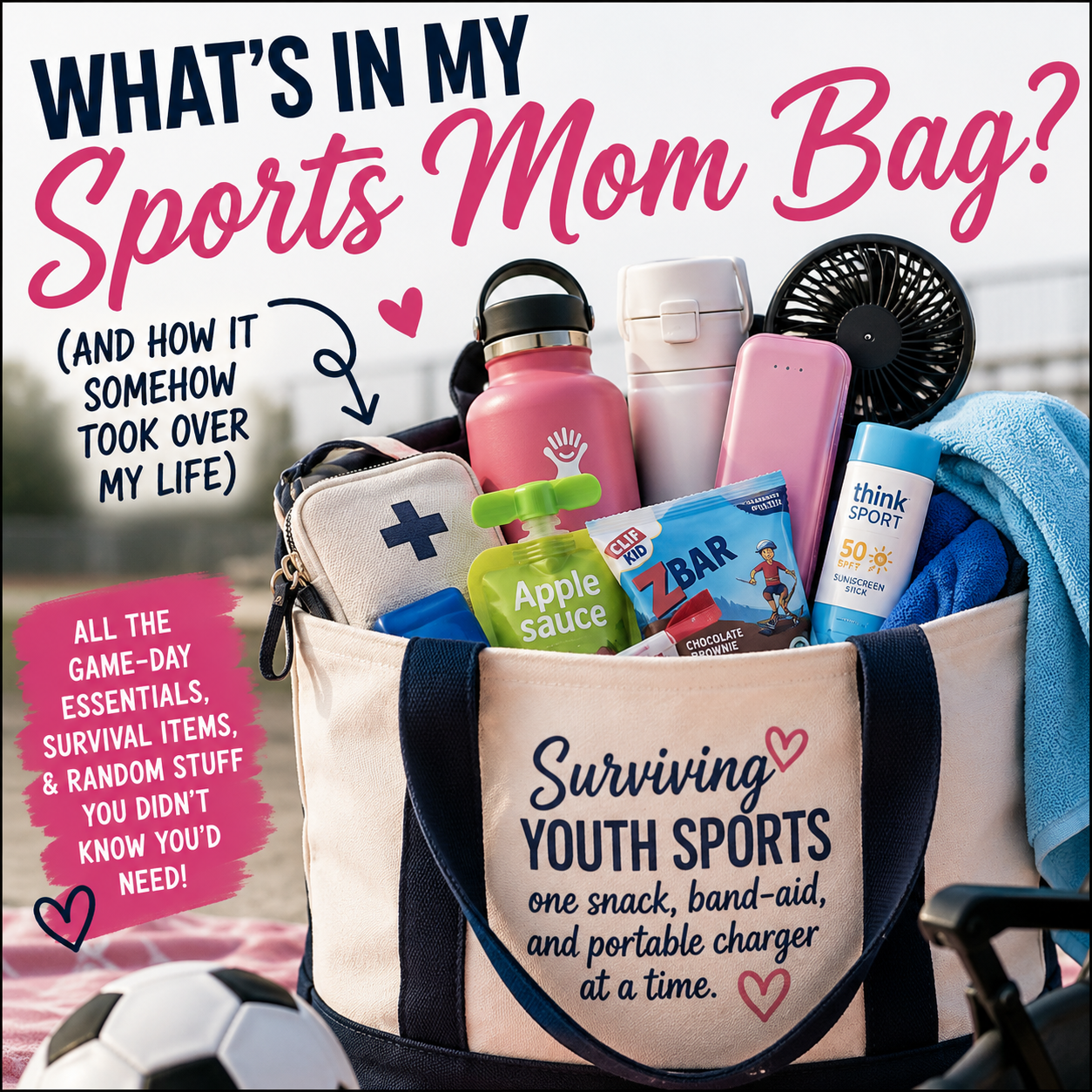
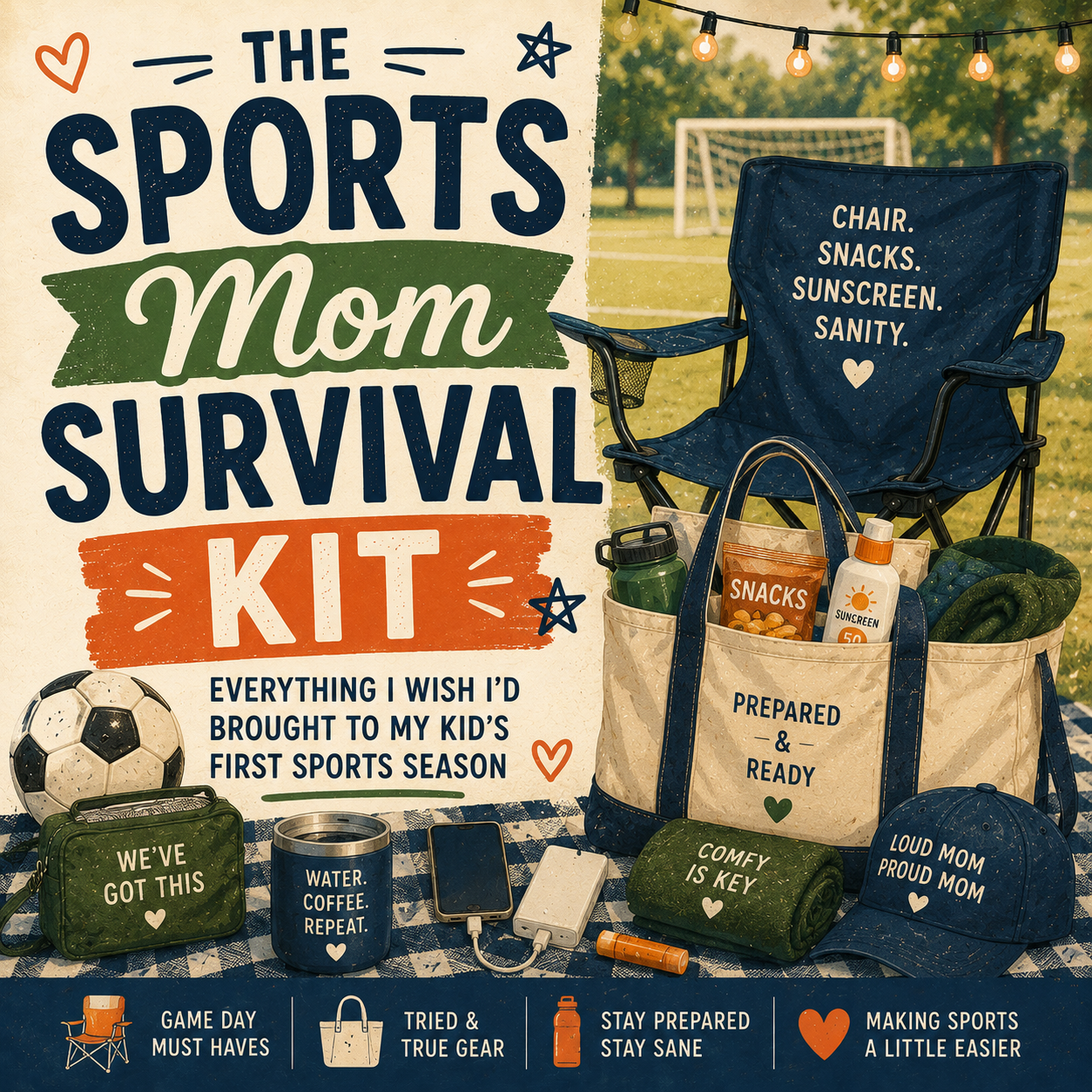
Three chairs. Two coolers. Blankets. Umbrellas. A first-aid kit. Portable phone charger. Extra towels. Bug spray. Sunscreen. Snacks. Water bottles. Three different sports bags. And a wagon. A sports wagon. The exact thing I used to laugh at.
I actually stood there for a second looking at it. How did I get here? The answer was surprisingly simple. Every single item solved a problem I’d already experienced.
The cooler appeared after buying expensive concession stand lunches one too many times. The extra chairs showed up after the grandparents started coming to games. The sunscreen permanently moved into the car after one particularly painful tournament where I somehow managed to sunburn places I didn’t know could sunburn.
The portable charger? That was the direct result of my phone dying halfway through recording what would have been my son’s best goal of the season. Every piece of gear had a story. Every purchase had a reason. The wagon wasn’t about being extra. It was about making six trips from the parking lot instead of one.
Suddenly, those veteran sports parents made perfect sense. They weren’t overprepared. They were experienced.
Tournament Days Are Their Own Adventure
Regular practices are one thing. Tournament weekends are something entirely different. Tournament mornings feel less like leaving for a soccer game and more like preparing for a family vacation.
The weather forecast says sunny. So naturally, you pack rain jackets. You bring sweatshirts because someone will get cold. You bring sunscreen because someone will get burned. You pack breakfast. Lunch. Snacks. Extra snacks. Water. Sports drinks. Then another water bottle because somebody inevitably leaves one behind.
By the time you’re finished loading the car, you’re no longer sure whether you’re attending a youth sports tournament or relocating to another state. And somehow… you use almost every single thing you packed.
That, more than anything, is what surprised me about youth sports. The gear isn’t about being prepared for perfection. It’s about being prepared for unpredictability. Because youth sports are wonderfully, beautifully unpredictable.
One game turns into three. One practice runs long. One rainstorm changes everything. One scraped knee suddenly makes you grateful you threw that first-aid kit into the wagon three months ago. Experience doesn’t eliminate chaos. It just helps you pack for it.
The Sports Parent Packing Matrix
- The 1-Hour Practice: 1x Insulated Hydration Flask, Lightweight fold-up chair, 1x High-protein backup snack.
- The Standard Game Day: Multi-person sports wagon, Padded chairs, Mineral Sunscreen face stick, Compact first-aid kit.
- The Tournament Expedition: Portable pop-up weather canopy, 2x High-capacity power banks, Insulated travel cooler, Sweatshirts and backup ponchos.
Sideline Gear Value Matrix
| Gear Category | What I Thought Was Ridiculous | The Sideline Reality (The MVP) |
|---|---|---|
| Transportation | “Who brings a giant wagon to walk 50 yards to a field?” | The Sports Wagon. I use it for chairs, coolers, gear, and sometimes tired toddlers. |
| Sideline Seating | “Sitting on the grass or curb builds sideline character.” | Padded Folding Chairs with shade canopies. Sitting on hard stone curbs is a young woman’s game. |
| Power & Tech | “I can stay off my phone for an hour without an emergency charger.” | High-capacity Power Bank. Running out of juice while recording the game-winning goal is devastating. |
| Snack Systems | “A simple granola bar in the pocket is enough for kids.” | Insulated Snack Organizer. Keeps beverages cold, snacks dry, and stops constant concession stops. |
Frequently Asked Questions
Q: Do I really need to invest in a sports wagon?
A: Unless you enjoy carrying three chairs, an umbrella, a cooler, and a crying child with only your teeth and elbows, yes. A utility wagon turns a miserable haul into a simple stroll.
Q: What gear should a first-time sports parent buy first?
A: A high-quality, cushioned folding sports chair for yourself. You will spend hundreds of hours sitting on the sidelines, and your back will thank you.
Q: How do you organize multiple sports gear in your garage?
A: Create dedicated zones with rolling steel organizers. Group items inside individual shoe bags and backpacks per sport.
Q: What items should live permanently in the family car?
A: Sunscreen, bug spray, a portable charger bank, clean towels, and a basic emergency first-aid kit.
The Funny Thing About Becoming a Sports Parent
When I first became a mom, I thought youth sports were about learning how to play games. What I didn’t realize was that I would be learning too. Not how to dribble a soccer ball. Or shoot a hockey puck. Or keep score.
I’d be learning how to adapt. How to laugh at myself. How to roll with last-minute schedule changes. How to survive long tournament weekends. How to celebrate small victories. And, apparently, how to expertly load an SUV like a game of Tetris.
The truth is, nobody starts out as the parent with all the gear. We all begin with one folding chair and one water bottle. The rest accumulates slowly. One season. One lesson. One forgotten item at a time.
And somewhere along the way, you stop noticing the extra stuff. Because it isn’t really about the gear anymore. It’s about everything the gear allows you to experience. The sidelines. The friendships. The victories. The losses. The memories.
And if becoming “that sports parent” is the price of getting to watch my son chase something he loves… I’d happily load the wagon one more time.
Latest stories
-

I Thought Sports Wagons Were Overkill… Until I Became a Sports Parent
(And Other Things I Never Thought I’d Own) An Apology to the Overprepared Sports Parent (And How I Accidentally Became One) Disclosure: This post contains affiliate links. If…
4 min read
-

What’s In My Sports Mom Bag?
(And How It Somehow Took Over My Life) Disclosure: This post contains affiliate links. If you purchase through these links, I may earn a small commission at no…
4 min read
-

Our First Week at Summer Sports Camp
What Went Right, What Went Wrong, and What I Wish I’d Known Disclosure: This post contains affiliate links. If you purchase through these links, I may earn a…
4 min read
-

The Sports Mom Survival Kit
The Sports Mom Survival KitEverything I Wish I’d Brought to My Kid’s First Sports Season Disclosure: This post contains affiliate links. If you purchase through these links, I…
4 min read
-

“The Time I Cheered for the Wrong Team (And Other Sideline Fails)”
Disclosure: This post contains affiliate links. If you purchase through these links, I may earn a small commission at no extra cost to you. I only recommend products…
4 min read
-

Essential Tips for Youth Sports Parents (With the Stuff That Actually Helps)
What to Pack for Youth Sports (So You’re Not Scrambling) Disclosure: This post contains affiliate links. If you purchase through these links, I may earn a small commission…
4 min read